
Category: GPR
-
GPR gets better. Interpretation doesn’t.
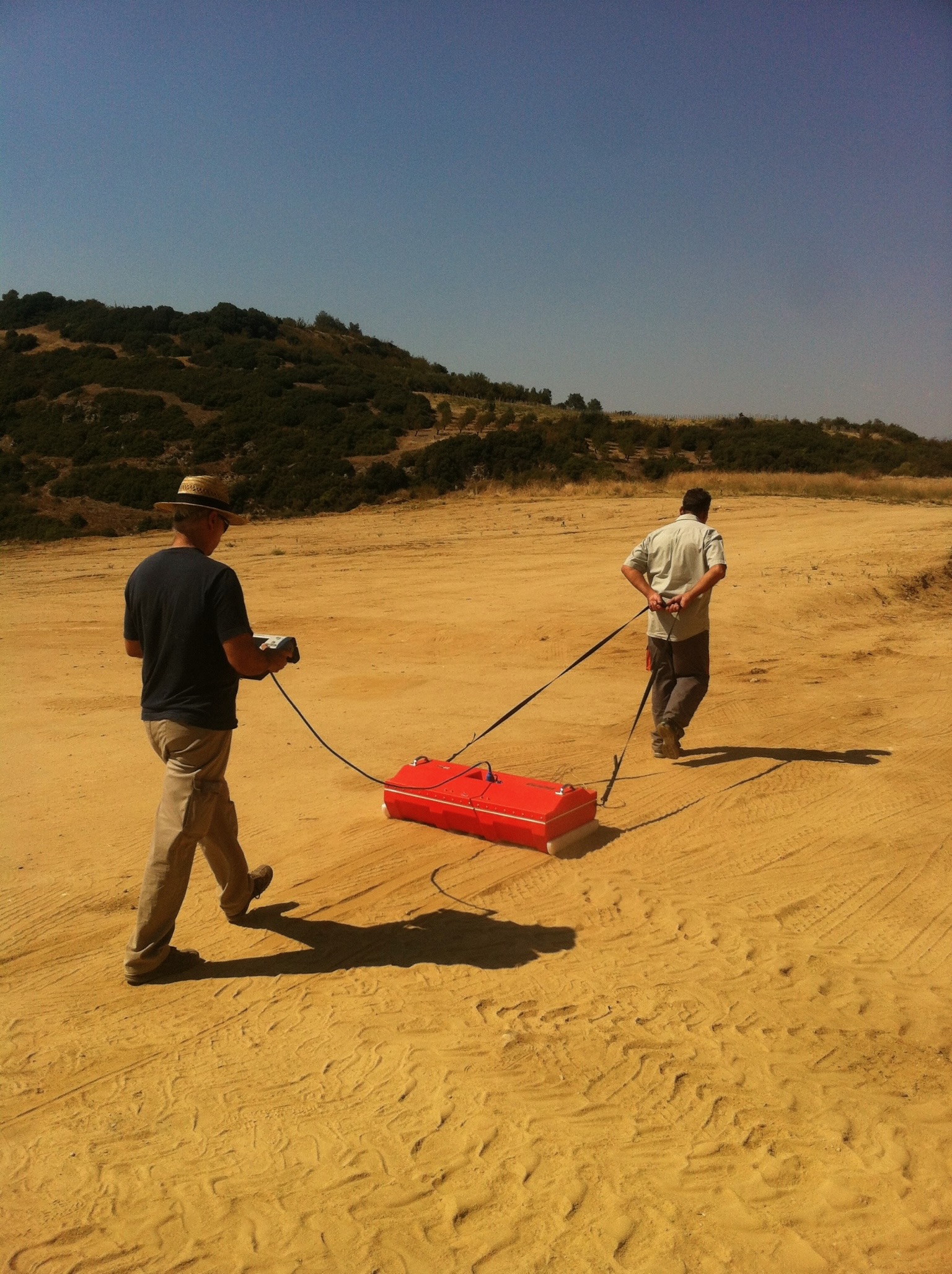
Advancements in ground penetrating radar (GPR) hardware have dramatically increased the resolution and depth penetration capabilities available to geophysicists and survey professionals. Today’s state-of-the-art GPR systems produce cleaner, higher-definition images of the subsurface than ever before, instilling a sense of confidence among users. However, these technical improvements have not been matched by equivalent progress in Read more
-
GPR Scanning for Hidden Voids Inside Buildings
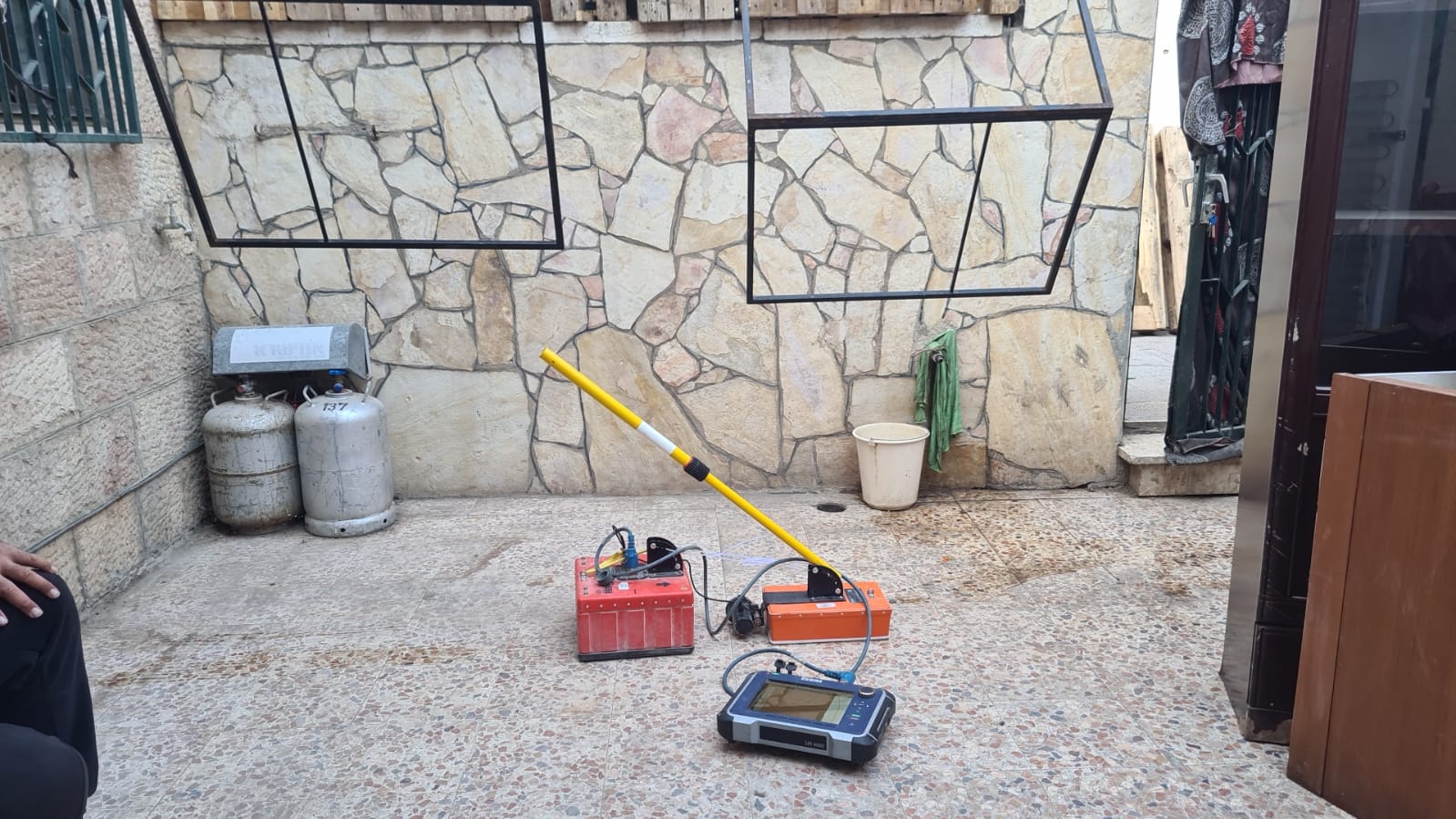
Not all jobs are glamorous but they are still highly needed. This week we used Ground Penetrating Radar (GPR) to assess risks hidden below houses and buildings. Defects in the subsurface – voids, loose soils, sinkholes, water ingress, or hidden fractures – often remain invisible until they cause real damage. In earthquake-prone areas or regions Read more
-
Become a better GPR user.
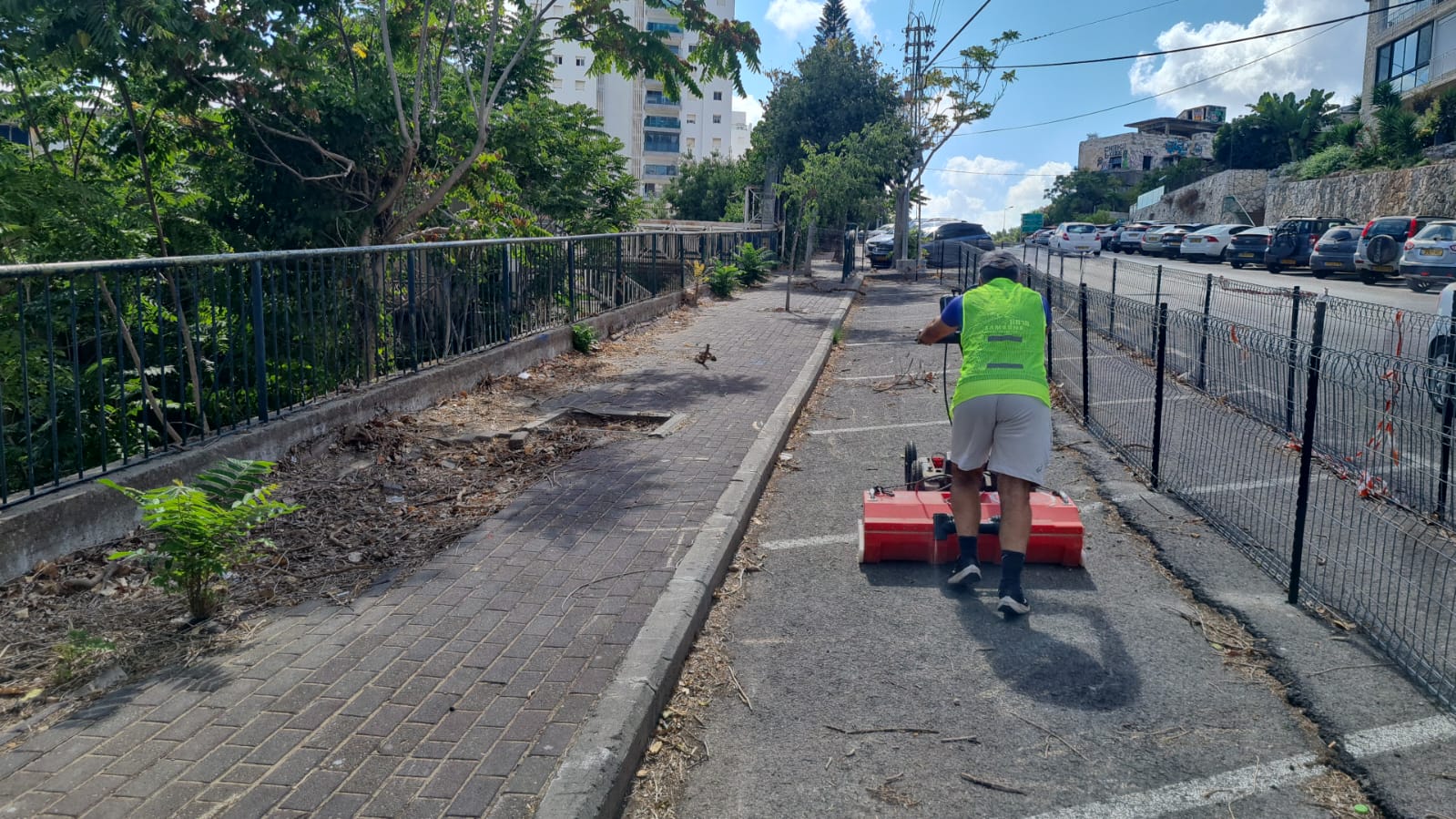
How Many Pipes Do You See? How Deep Are They? What Material Are They Made Of? These are some of the most common questions I’ve been asked throughout my years working with Ground Penetrating Radar (GPR). The answers, however, are not always simple or straightforward. GPR is an incredibly powerful tool, but it comes with Read more
-
GPR: Accurate Detection of Weapons and Firearms
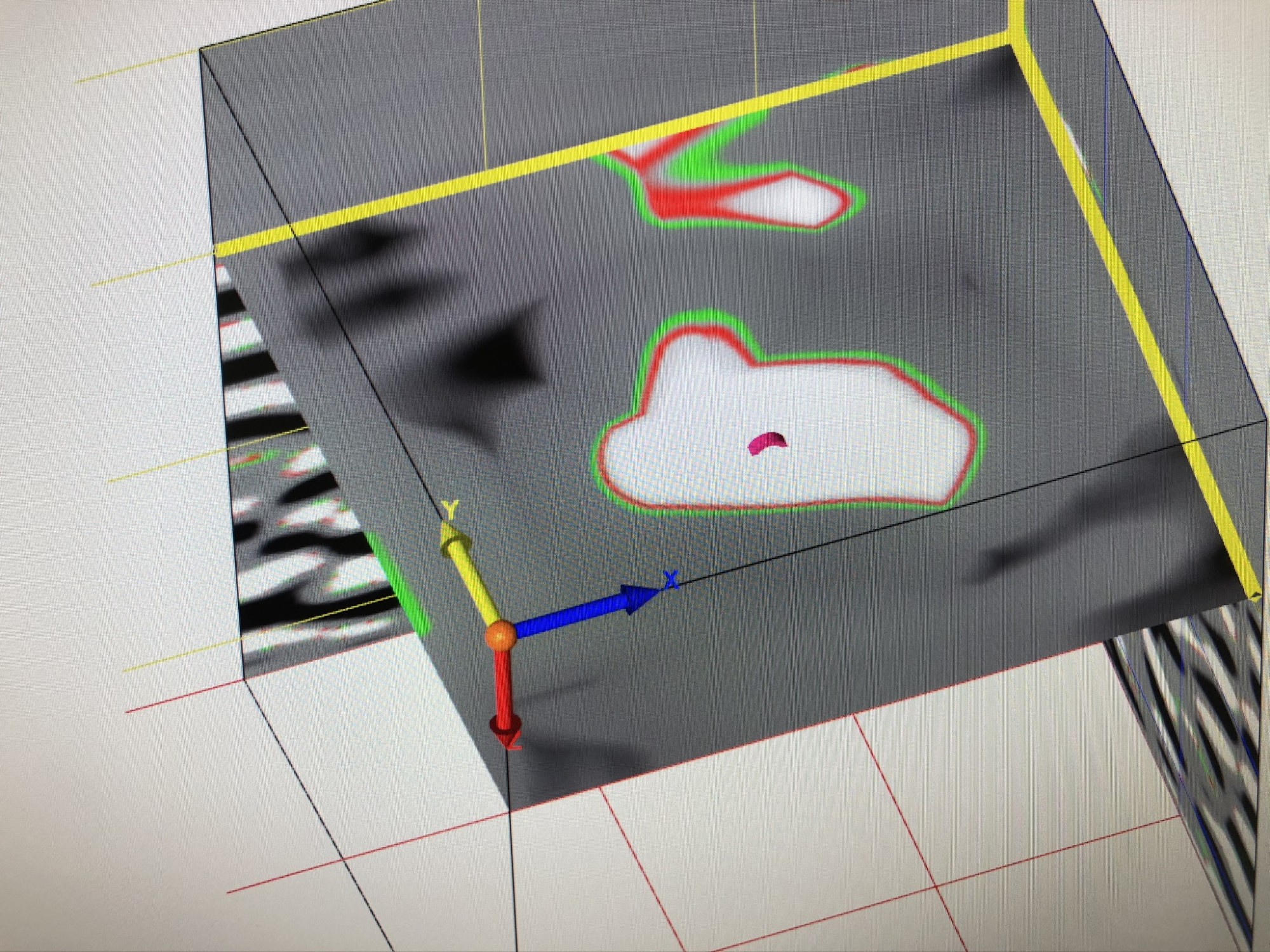
Ground Penetrating Radar (GPR) as Forensics tool Ground Penetrating Radar (GPR) is increasingly becoming an essential tool for forensic professionals seeking to locate hidden objects—whether behind walls, inside concealed compartments, or buried underground. While GPR is highly effective in detecting metallic objects, it requires advanced interpretation skills when searching for non-metallic targets such as human Read more
-
Using combined GPR and EM methods at an old Airport Silo. New findings.
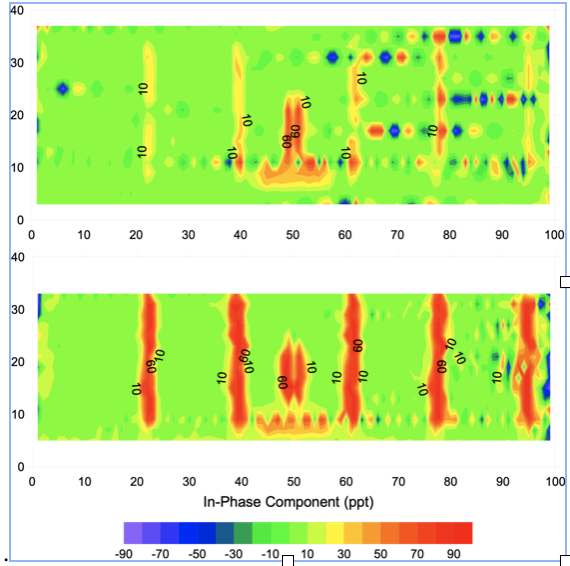
Key notes The use of non-destructive GPR and EM methods has become an essential component in technical projects, applied both during the initial stages of design and throughout the lifecycle of structures. These methods are invaluable not only for monitoring new constructions but also for investigating older structures. In the latter case, geophysical surveys can Read more